Engineering-Led Solar Design for Maximum Performance
A solar system is only as good as its design. At SolarYoot, every installation begins with a detailed engineering assessment to ensure your system delivers optimal energy production for decades to come. Our custom-designed solar systems consistently outperform cookie-cutter installations by 15-25%.
Unlike many solar companies that use a one-size-fits-all approach, our qualified engineers analyse every aspect of your property to create a bespoke solar design. We use industry-leading software, satellite imagery, and on-site assessments to model your system's performance before a single panel is installed.
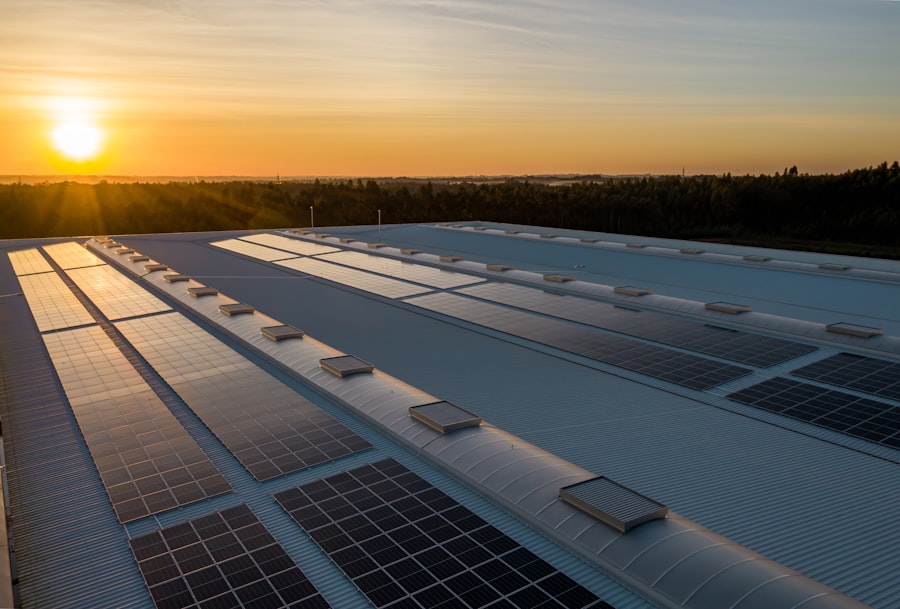
Advanced 3D solar modelling ensures every panel is positioned for maximum energy harvest
Our Design Process
Every SolarYoot solar system goes through a rigorous six-stage design process to guarantee optimal performance and full compliance with Australian Standards.
Stage 1: Site Assessment & Data Collection
We gather comprehensive data about your property including roof dimensions, material type, structural condition, pitch angle, and compass orientation. We also analyse your electricity consumption patterns from at least 12 months of billing data to understand your peak usage times and seasonal variations.
Stage 2: Shading Analysis
Shading is the single biggest performance killer for solar systems. We conduct thorough shading analysis using specialist tools and satellite imagery to map shadows from trees, neighbouring buildings, chimneys, antennas, and other obstructions across every hour of every season. This data directly informs panel placement to avoid shaded zones.
Stage 3: 3D Modelling & Simulation
Using advanced solar design software (PVsyst, Nearmap, and proprietary tools), we create a detailed 3D model of your roof and simulate solar energy production throughout the year. This allows us to test different panel layouts, string configurations, and inverter combinations to find the optimal setup before installation.
Stage 4: String Sizing & Inverter Matching
Correct string sizing is critical for system efficiency and inverter longevity. Our engineers calculate the optimal number of panels per string based on voltage windows, temperature coefficients (Brisbane's hot summers significantly affect panel voltage), and inverter MPPT input specifications. We ensure every string operates within the inverter's maximum power point tracking range year-round.
Stage 5: Structural & Electrical Assessment
We verify your roof can safely support the proposed solar array, including panel weight, mounting hardware, and wind loading calculations specific to your QLD wind region. Our electrical assessment ensures your switchboard and metering are compatible, and we design the DC and AC wiring layout for safety and efficiency.
Stage 6: Production Forecast & Financial Modelling
We deliver a detailed production forecast showing expected daily, monthly, and annual energy output (kWh). This is paired with financial modelling that calculates your projected savings, payback period, and 25-year return on investment based on current electricity tariffs and realistic degradation rates.
Key Design Factors for Brisbane & Queensland
Solar system design in South East Queensland has unique considerations that our local team understands deeply:
| Design Factor | Brisbane Optimal | Why It Matters |
|---|---|---|
| Roof Orientation | North-facing (ideal) | North-facing roofs in the Southern Hemisphere receive maximum direct sunlight year-round. East/west splits work well too for morning/afternoon coverage. |
| Tilt Angle | 20-27 degrees | Brisbane sits at ~27.5° latitude. A tilt close to latitude angle maximises annual production. Steeper tilts favour winter; shallower tilts favour summer. |
| Temperature Impact | -0.3% to -0.4%/°C | Solar panels lose efficiency in extreme heat. Brisbane summers regularly exceed 35°C, so we factor temperature coefficients into production modelling and ensure adequate ventilation behind panels. |
| Storm & Wind Rating | Wind Region B (QLD) | Queensland's storm season demands robust mounting systems rated for high wind loads. We design to exceed minimum AS/NZS 1170.2 requirements for your specific wind region. |
| Humidity & Salt | Corrosion-resistant | Coastal Sunshine Coast installations require marine-grade aluminium mounting and corrosion-resistant hardware to withstand salt-laden air. |
| Peak Sun Hours | 4.8 - 5.2 kWh/m²/day | Brisbane averages 4.8-5.2 peak sun hours daily — among the highest in Australia. This means more energy per panel compared to Sydney or Melbourne. |
Australian Standards Compliance
Every SolarYoot system design fully complies with all relevant Australian and New Zealand Standards. Non-compliance can void warranties, create safety hazards, and result in failed inspections. Our designs meet or exceed:
- AS/NZS 5033 — Installation and safety requirements for photovoltaic (PV) arrays. Covers DC cabling, isolation, earthing, and labelling requirements.
- AS/NZS 4777.2 — Grid connection of energy systems via inverters. Governs how your solar system interacts with the electricity grid, including voltage and frequency limits, anti-islanding protection, and export limiting.
- AS/NZS 3000 (Wiring Rules) — General electrical installation requirements. All AC wiring from the inverter to the switchboard must comply.
- AS/NZS 1170.2 — Wind actions. Ensures the mounting system can withstand the wind loads specific to your location and building height.
- CEC Design Guidelines — Clean Energy Council guidelines for system design, component selection, and installer competency.
Battery Integration Design
Planning for battery storage from the outset saves money and avoids retrofitting complications. Our design approach for battery-ready and battery-inclusive systems covers:
- Hybrid inverter selection — We specify hybrid inverters (Sungrow, GoodWe) that support battery connection without needing additional hardware later.
- Battery sizing — We model your evening and overnight consumption to recommend the ideal battery capacity, avoiding oversizing (wasted money) or undersizing (insufficient backup).
- Backup circuit design — For blackout protection, we design essential load circuits that the battery will power during grid outages (lights, fridge, internet router).
- Future expansion — Our designs include capacity for future battery additions, EV charger connections, and system upgrades without rewiring.
Custom vs Cookie-Cutter Design
Many budget solar installers use generic designs — same panel layout regardless of roof shape, same inverter regardless of system size. Here's why SolarYoot's custom engineering approach delivers better long-term results:
Cookie-Cutter Design
- Same layout for every home
- No shading analysis
- Generic string sizing
- Undersized or oversized inverter
- 10-15% energy loss typical
- No production guarantee
SolarYoot Custom Design
- Tailored to your specific roof
- Full shading analysis included
- Precise string sizing per MPPT
- Optimal inverter matching
- Maximised energy yield
- Detailed production forecast
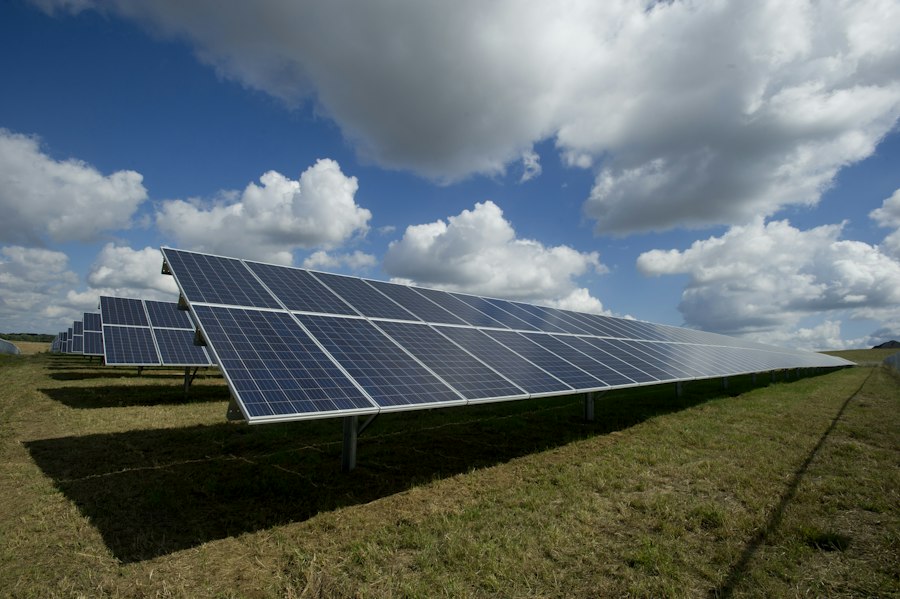
Every SolarYoot design includes a detailed roof layout showing exact panel placement
What You Receive
Every SolarYoot customer receives a comprehensive design package before installation begins:
- Detailed roof layout showing exact panel positions, setbacks, and access zones
- String configuration diagram showing panel-to-inverter wiring
- Annual production forecast (kWh) with monthly breakdown
- Financial analysis with projected savings, payback period, and 25-year ROI
- Component specifications with datasheets for all panels, inverters, and mounting hardware
- Compliance documentation confirming AS/NZS 5033 and AS/NZS 4777.2 adherence