Why Solar Maintenance Matters
Your solar system is a significant investment, and like any investment, it needs proper care to deliver maximum returns. While solar panels have no moving parts and are remarkably durable, environmental factors in Queensland — dust, bird droppings, pollen, salt air, and storm debris — can reduce performance by 15-25% if left unaddressed.
Regular maintenance ensures your system continues to produce at its rated capacity, catches small issues before they become expensive repairs, and maintains your warranty coverage. Most panel manufacturers require evidence of reasonable maintenance to honour performance warranty claims.
At SolarYoot, we offer comprehensive solar maintenance services across Brisbane, the Sunshine Coast, Gold Coast, and all of Queensland. Whether your system was installed by us or another company, our CEC accredited technicians can inspect, clean, diagnose, and repair it.
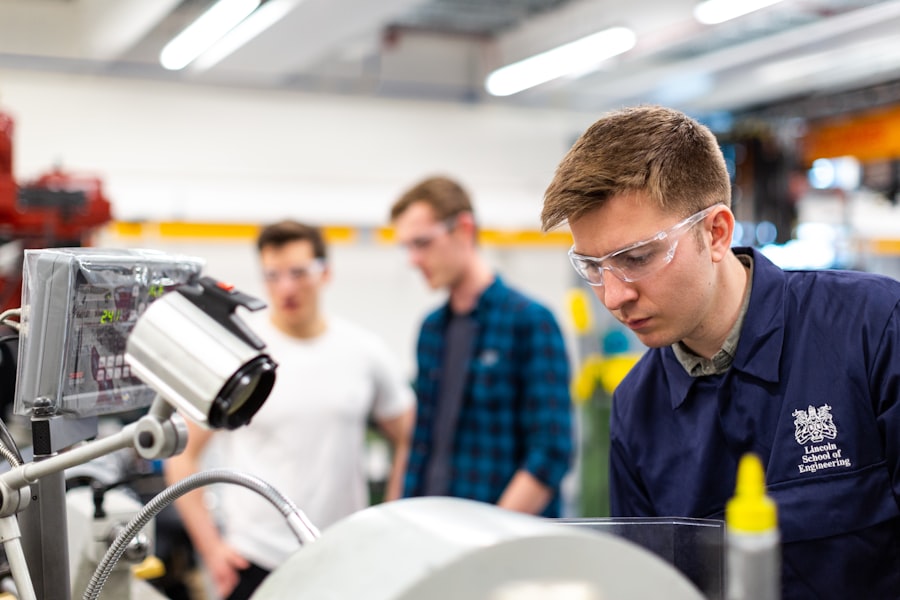
SolarYoot technician performing a professional panel cleaning and inspection on a Brisbane rooftop
Annual Inspection Checklist
We recommend every solar system receives a professional inspection at least once per year. Our comprehensive annual inspection covers every component of your solar system, from the panels on the roof to the inverter and switchboard connections.
- Panel condition check — Visual inspection for micro-cracks, hot spots, discolouration, delamination, snail trails, and physical damage from hail or debris.
- Mounting system inspection — Check all brackets, rails, and clamps for corrosion, looseness, or movement. Verify roof penetration seals are intact.
- Wiring and connections — Inspect all DC cabling, MC4 connectors, and conduit for UV degradation, rodent damage, water ingress, or loose connections.
- Inverter health check — Review error logs, check operating temperatures, verify firmware is up to date, and confirm grid compliance settings are correct.
- DC isolator inspection — Check for signs of arcing, water ingress, or heat damage in rooftop and wall-mounted DC isolators (a known failure point in older systems).
- Switchboard and AC connections — Verify the solar circuit breaker, earth connections, and all AC wiring are in safe working order.
- Performance analysis — Compare actual energy production against expected output for your system size and location. Identify any underperformance.
- Monitoring system verification — Ensure your monitoring platform is correctly reporting data and that any alerts are properly configured.
Solar Panel Cleaning
Dirty panels are one of the most common causes of reduced solar output. In Brisbane's subtropical climate, panels accumulate a range of contaminants that block sunlight and reduce electricity generation.
Common Contaminants in Brisbane
- Bird droppings — The most damaging contaminant. A single bird dropping on a cell can reduce that entire string's output due to the bypass diode effect. Brisbane's abundant birdlife means this is a persistent issue.
- Dust and dirt — Fine dust accumulates gradually, especially during dry months (May-October). A thin layer of dust can reduce output by 5-10%.
- Pollen — Spring brings heavy pollen deposits, particularly from eucalyptus and other native trees. Pollen creates a sticky film that rain alone cannot remove.
- Lichen and moss — In humid, shaded areas, biological growth can establish on panel frames and edges, eventually creeping across the glass surface.
- Salt spray — Coastal properties on the Sunshine Coast and Gold Coast experience salt deposition that corrodes frames and reduces glass clarity.
- Bat and possum droppings — In areas near bushland, nocturnal animals can leave acidic droppings that etch the glass if not cleaned promptly.
Our Professional Cleaning Process
We use industry-best cleaning methods that are safe for your panels, your roof, and the environment:
- Purified water system — We use deionised water that leaves zero residue and does not spot or streak the glass.
- Soft brush and squeegee — Non-abrasive cleaning tools that remove contaminants without scratching the anti-reflective coating on your panels.
- No harsh chemicals — We never use detergents, solvents, or abrasive cleaners that can damage panel coatings or void your warranty.
- Frame and rail cleaning — We clean panel frames and mounting rails to prevent corrosion and biological growth.
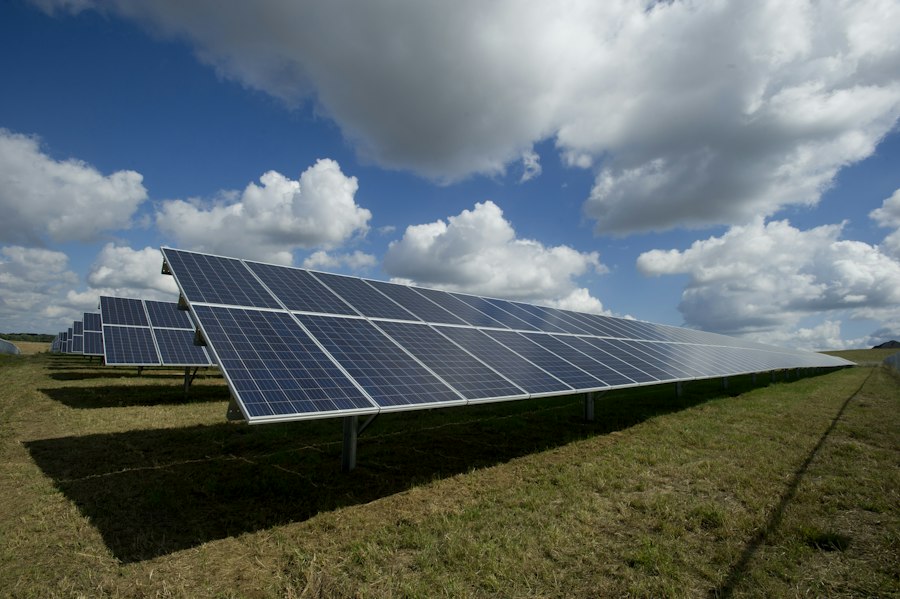
The difference professional cleaning makes: restoring full output to heavily soiled panels
Inverter Health Checks
Your inverter is the brain of your solar system, converting DC electricity from the panels into usable AC power. Inverter faults are the most common cause of solar system downtime. Our inverter health checks include:
- Error log review — We download and analyse the inverter's error history to identify intermittent faults, grid instability events, and recurring issues.
- Thermal performance — Overheating is a leading cause of inverter failure. We check ventilation, ambient temperature exposure, and heat sink condition.
- Firmware updates — Manufacturers regularly release firmware updates that improve performance, fix bugs, and update grid compliance settings.
- Fan and component inspection — Internal fans (where fitted) are checked for operation. Capacitors and other components are visually inspected for swelling or leakage.
- Production benchmarking — We compare your inverter's actual production data against expected yields to identify any degradation or underperformance.
Monitoring System Alerts
Modern solar inverters come with smart monitoring platforms (such as Sungrow iSolarCloud, Fronius Solar.web, or GoodWe SEMS) that provide real-time data on your system's performance. Understanding your monitoring alerts is key to catching issues early.
- Zero production alerts — If your system produces nothing on a sunny day, this typically indicates an inverter fault, tripped breaker, or grid outage.
- Low production warnings — Output significantly below expected levels may indicate dirty panels, shading from new tree growth, or a faulty panel string.
- Grid fault codes — Frequent grid disconnections can indicate voltage or frequency issues in your local network that may need investigation.
- Insulation fault alerts — These can indicate water ingress into wiring or a deteriorating panel, and should be investigated promptly for safety reasons.
Fault Diagnosis & Repairs
When something goes wrong with your solar system, SolarYoot's experienced technicians can quickly diagnose and resolve the issue. Common faults we diagnose and repair include:
- Inverter error codes and shutdowns — We carry replacement parts for common inverter faults and can often resolve issues on the first visit.
- Panel hot spots and micro-cracks — Using thermal imaging cameras, we can identify defective cells that are reducing string performance.
- DC isolator failures — A well-known safety concern in the industry. We replace failed or degraded DC isolators with current-specification units.
- Rodent damage to cabling — Rats and possums chewing through DC cables is common in suburban Brisbane. We repair damaged cables and install rodent-proof conduit.
- Water ingress — We trace and repair water entry points in junction boxes, DC isolators, and conduit runs.
Understanding Degradation Rates
All solar panels degrade gradually over time. This is a normal and expected process. Understanding degradation helps set realistic performance expectations for your system.
- Year 1 degradation: Most panels experience an initial degradation of 1-3% in the first year as the cells stabilise (known as Light Induced Degradation or LID).
- Annual degradation: After the first year, quality Tier-1 panels typically degrade at 0.4-0.55% per year. This means after 25 years, your panels should still produce at least 80-84% of their original rated output.
- N-Type advantage: Newer N-Type panels (like JinKo Tiger Neo) have lower degradation rates of around 0.35-0.4% per year, retaining more output over their lifespan.
- Accelerated degradation: If your system is losing more than 1% per year after the first year, this may indicate a product defect, environmental damage, or installation issue that warrants investigation.
Maintenance Plans & Pricing
We offer flexible maintenance plans to suit every budget and system size. All plans include a detailed report with photographs and recommendations after each service visit.
| Plan | Includes | Frequency | Price |
|---|---|---|---|
| Basic Clean | Full panel clean, visual inspection, basic inverter check | Annual | From $199 |
| Standard Service | Full clean + comprehensive electrical inspection + performance report | Annual | From $349 |
| Premium Care | Everything in Standard + thermal imaging + 6-monthly clean + priority callout | 6-monthly | From $549/year |
Prices are indicative for standard residential systems up to 10kW. Larger systems and commercial properties are quoted individually. All prices include GST.
DIY vs Professional Cleaning
Many homeowners wonder whether they can clean their solar panels themselves. Here is an honest comparison to help you decide:
- Safety risk: Climbing onto a roof without proper safety equipment is dangerous. Falls from roofs are one of the most common causes of serious injury in Australia. Professional cleaners use harnesses and follow safe work procedures.
- Warranty concerns: Using incorrect cleaning methods (pressure washers, abrasive tools, or chemical cleaners) can damage the anti-reflective coating and void your panel warranty.
- Ground-level cleaning: If your panels are accessible from the ground using an extendable brush and garden hose, a gentle rinse in the early morning (when panels are cool) can remove light dust. Never spray cold water on hot panels.
- When to call a professional: If your panels have heavy soiling (bird droppings, lichen, or thick pollen), are on a multi-storey home, or you have not cleaned them in over a year, professional cleaning is recommended.
- Cost vs benefit: Professional cleaning costs $150-$300 per visit but can recover 10-20% of lost production, which on a 6.6kW system could be worth $200-$400 per year in additional energy generation.