Professional Solar Panel Installation You Can Trust
A solar panel installation is only as good as the team that installs it. At SolarYoot, every installation is carried out by fully qualified, CEC accredited electricians who follow strict safety protocols and Australian Standards to ensure your system performs at its best for 25+ years.
We have completed hundreds of solar installations across Brisbane, the Sunshine Coast, Gold Coast, and regional Queensland. Whether your home has a corrugated tin roof, a concrete tile roof, or a commercial Klip-Lok profile, our installers have the expertise and equipment to deliver a flawless result every time.
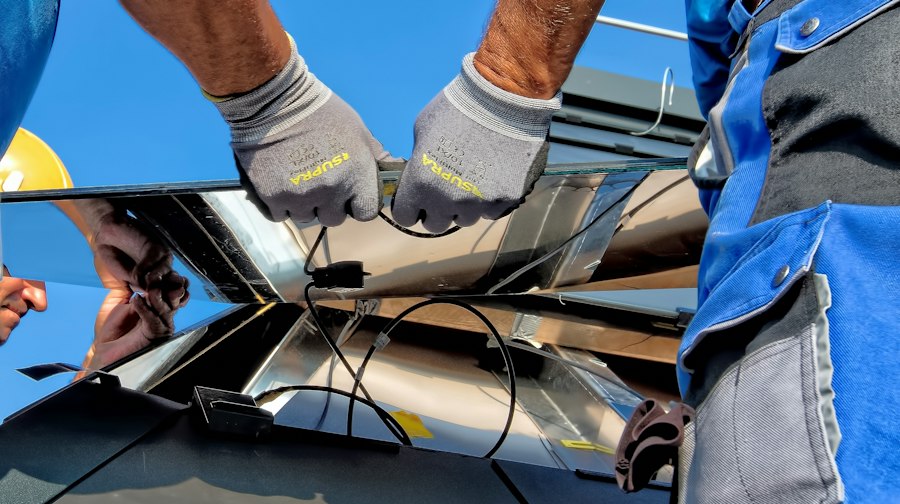
SolarYoot installation team mounting premium Tier-1 panels on a Brisbane rooftop
Our Installation Process: Step by Step
We have refined our installation process over years of experience to ensure consistency, quality, and safety on every single project. Here is exactly what happens from the moment our team arrives at your property.
Step 1: Pre-Installation Site Check
Before any equipment is unloaded, our lead installer conducts a thorough site assessment. We verify roof condition, confirm structural integrity, check the switchboard, and validate the system design against the physical roof. Any discrepancies are resolved before work begins.
Step 2: Rail & Mounting System Installation
Our installers lay out the mounting rails and brackets according to the engineered design. Roof penetrations are sealed with high-quality flashing kits to maintain waterproofing. Every bracket is torqued to specification and every rail is levelled precisely.
Step 3: Panel Mounting & Wiring
Panels are carefully lifted onto the rails and secured with mid and end clamps. DC wiring is run through UV-rated conduit, with all connections made using MC4 connectors. String configurations are verified against the design to ensure optimal inverter performance.
Step 4: Inverter & Electrical Connection
The inverter is mounted in a shaded, ventilated location. DC and AC isolators are installed, the inverter is wired to the switchboard, and a dedicated solar circuit breaker is fitted. All wiring complies with AS/NZS 5033 and AS/NZS 4777.2 standards.
Step 5: Testing, Commissioning & Handover
We perform comprehensive electrical testing including insulation resistance, open circuit voltage, short circuit current, and earth continuity. The system is commissioned, monitoring is set up on your phone, and we walk you through how everything works.
Mounting Systems for Every Roof Type
Different roof types require different mounting solutions. Our team is experienced with all common Australian roofing profiles and uses purpose-built, engineering-certified mounting hardware for each.
| Roof Type | Mounting Method | Key Considerations |
|---|---|---|
| Corrugated Tin (Colorbond) | Tin feet with tek screws & EPDM washers, attached to rafters or purlins | Most common in Brisbane. Quick to install, excellent waterproofing with proper flashing. |
| Concrete or Terracotta Tile | Tile hooks or replacement tile brackets bolted to roof battens | Tiles are lifted, bracket installed beneath, tile replaced. No tile cutting required in most cases. |
| Klip-Lok Standing Seam | Non-penetrating Klip-Lok clamps that grip the seam directly | Zero roof penetrations. Ideal for commercial and modern residential metal roofs. |
| Flat Roof / Skillion | Tilt-frame mounting kits angled at 10-20 degrees for optimal solar exposure | Requires ballast or mechanical fixing. Wind loading calculations are critical. |
Electrical Work & Compliance
Solar panel installation involves significant electrical work that must be completed by licensed professionals. At SolarYoot, every electrical component is installed to the highest standard and in full compliance with current Australian regulations.
- AS/NZS 5033 — Installation and Safety of PV Arrays — Governs the DC side of every solar installation, including panel wiring, string sizing, earthing, and DC isolator placement.
- AS/NZS 4777.2 — Grid Connection of Inverter Energy Systems — Covers inverter settings, anti-islanding protection, export limits, and power quality requirements for grid-connected systems.
- AS/NZS 3000 (Wiring Rules) — The overarching electrical wiring standard that applies to all AC wiring between the inverter, switchboard, and grid connection point.
- Queensland Electrical Safety Act — All electrical work is performed by licensed electricians holding a current Queensland electrical licence.
- CEC Installation Guidelines — Our installers follow the Clean Energy Council's best-practice guidelines, which exceed minimum regulatory requirements.
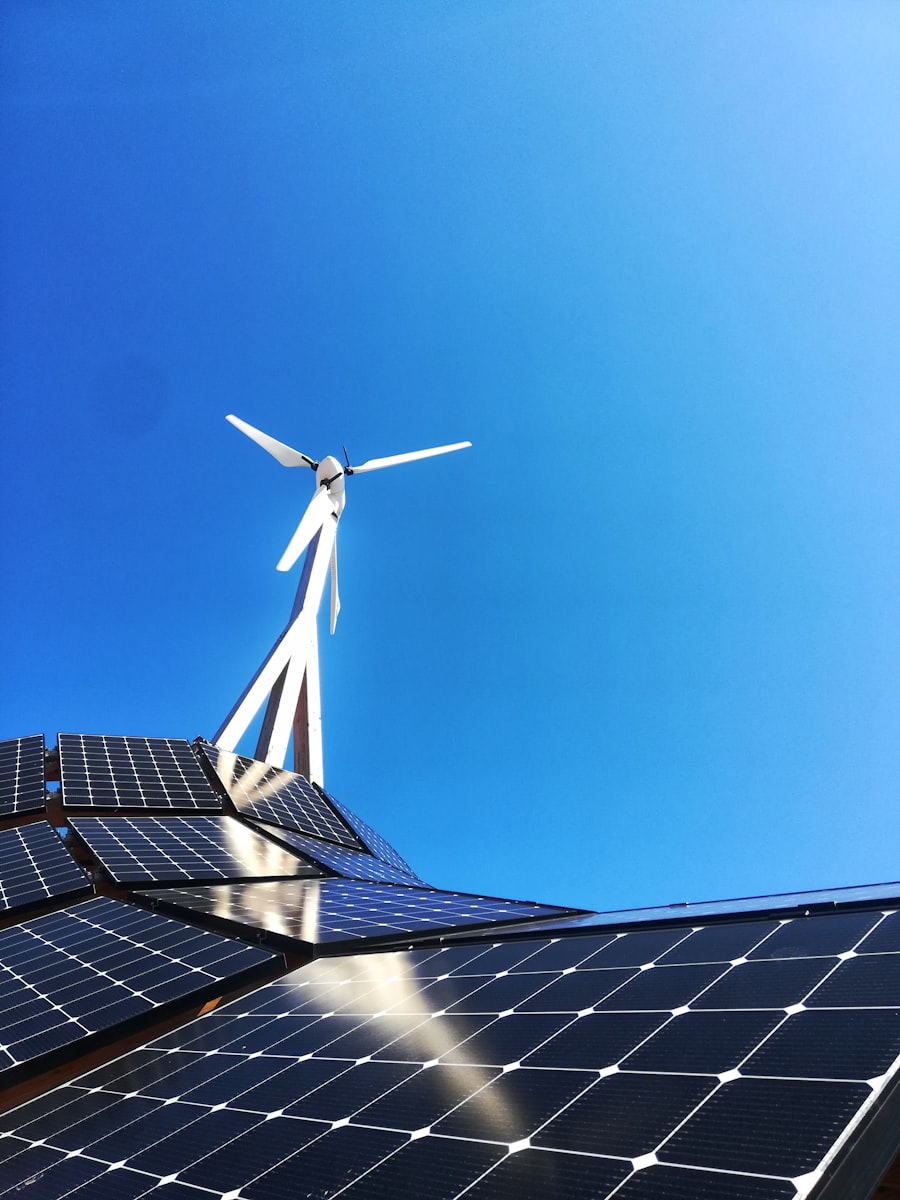
Clean inverter and switchboard installation with labelled DC/AC isolators and dedicated solar breaker
Safety Protocols on Every Job
Rooftop solar installation carries inherent risks, including working at heights, electrical hazards, and manual handling of heavy panels. SolarYoot takes safety seriously with comprehensive protocols that protect our team and your property.
- Safe Work Method Statements (SWMS) — A detailed SWMS is prepared for every job, identifying all hazards and the controls in place to mitigate them.
- Fall protection — Our team uses harnesses, anchor points, and edge protection where required. For single-storey homes, we follow the hierarchy of controls as mandated by Work Health and Safety QLD.
- Electrical isolation — All electrical work follows strict lock-out/tag-out procedures. The solar array is treated as a live DC source from the moment panels are exposed to sunlight.
- PPE requirements — Hard hats, safety boots, insulated gloves, and UV-protective clothing are standard on every installation.
- Site cleanliness — We leave your property exactly as we found it. All packaging, offcuts, and debris are removed at the end of the day.
What to Expect on Installation Day
We understand that having tradespeople at your home can be disruptive, so we work efficiently and respectfully to minimise the impact on your day.
- Arrival: Our team typically arrives between 7:00 and 8:00 AM. We will confirm the exact time the day before your installation.
- Duration: Most residential installations are completed in a single day (4-8 hours depending on system size and roof complexity).
- Power outage: A brief power interruption of approximately 30-60 minutes is required while we connect to your switchboard. We will let you know before switching off.
- Access: We need clear access to the roof, switchboard, and the area where the inverter will be mounted. Please ensure pathways are clear.
- Pets & children: For safety, we ask that pets and children are kept away from the work area during the installation.
- Walkthrough: At the end of the day, our installer will walk you through the completed system, show you the monitoring app, and answer any questions.
Post-Installation Inspection
Quality does not end when the last panel is mounted. Every SolarYoot installation goes through a rigorous post-installation inspection process to verify everything is perfect.
- Visual inspection — We check panel alignment, cable management, mounting security, and overall aesthetics.
- Electrical testing — Full suite of tests including insulation resistance (Megger test), earth continuity, polarity checks, and string voltage/current verification.
- Inverter commissioning — Firmware updates, grid compliance settings (per AS/NZS 4777.2), export limit configuration, and monitoring system activation.
- Documentation — You receive a complete installation pack including electrical compliance certificate, panel layout diagram, product warranties, and monitoring login credentials.
- Photo record — We photograph every installation for our records and quality assurance files, which can also be used for any future warranty claims.
Grid Connection Process
After installation, your system needs to be formally connected to the electricity grid before you can start exporting power and earning feed-in tariff credits. Here is how the grid connection process works in Queensland:
- Connection application: We submit a grid connection application to your electricity distributor (Energex or Ergon Energy) on your behalf. This is done before installation day.
- Distributor approval: For systems up to 10kW on single-phase or 30kW on three-phase, approval is typically automatic. Larger systems may require a network study.
- Meter upgrade: If you do not already have a smart meter or bi-directional meter, your retailer will arrange for one to be installed. This usually happens within 10 business days.
- Retailer notification: We notify your electricity retailer that a solar system has been installed so they can update your tariff and activate your feed-in tariff.
- System activation: Once the meter is upgraded, your system can begin exporting excess power to the grid. You will see credits appearing on your next electricity bill.
The entire grid connection process typically takes 2-4 weeks after installation. During this period, your solar system will still be generating power and offsetting your household consumption — you just cannot export to the grid until the meter is upgraded.